
Energy Transition
Investing in growth opportunities across the energy transition
The energy transition is a long-term growth theme within the infrastructure asset class, driven by rising energy demand, decarbonisation efforts, and the need for resilient energy infrastructure. Our team has built specialist expertise across the following structural growth areas.
Battery Energy Storage (BESS)
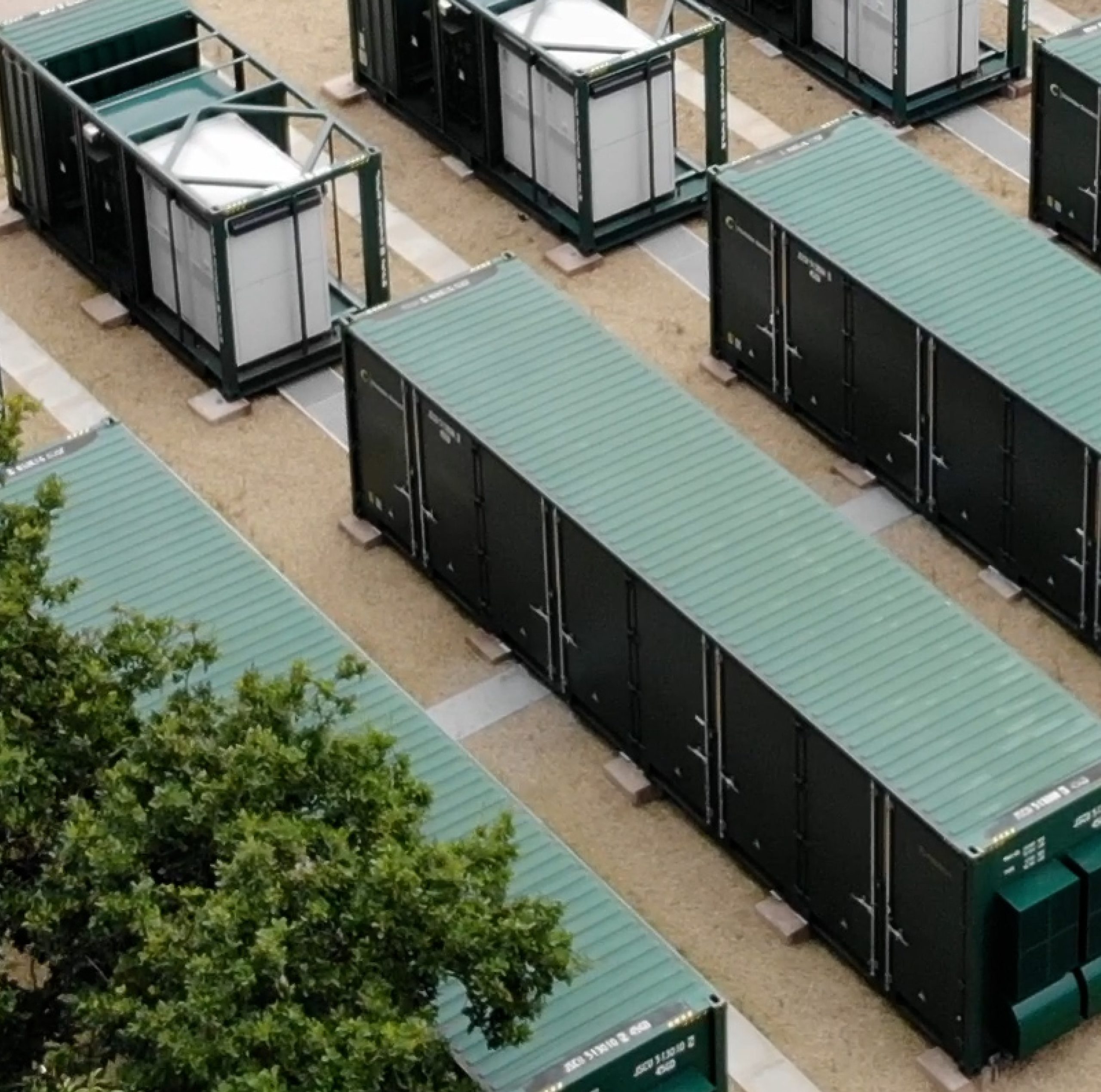
We are one of Europe’s largest BESS operators and have been investing in the technology since the mid-2010s. With intermittent renewable energy assets taking over an ever-larger share within energy mixes, volatility has increased accordingly, creating opportunities for BESS to offer grid stabilisation services and leverage intra-day price movements.
Solar PV
Solar photovoltaics (PV) combines established technology with competitive generation costs and rapid deployment. As solar penetration grows, battery storage can enhance project value by shifting electricity delivery from periods of abundant generation to periods of greater demand and higher prices.

Wind energy
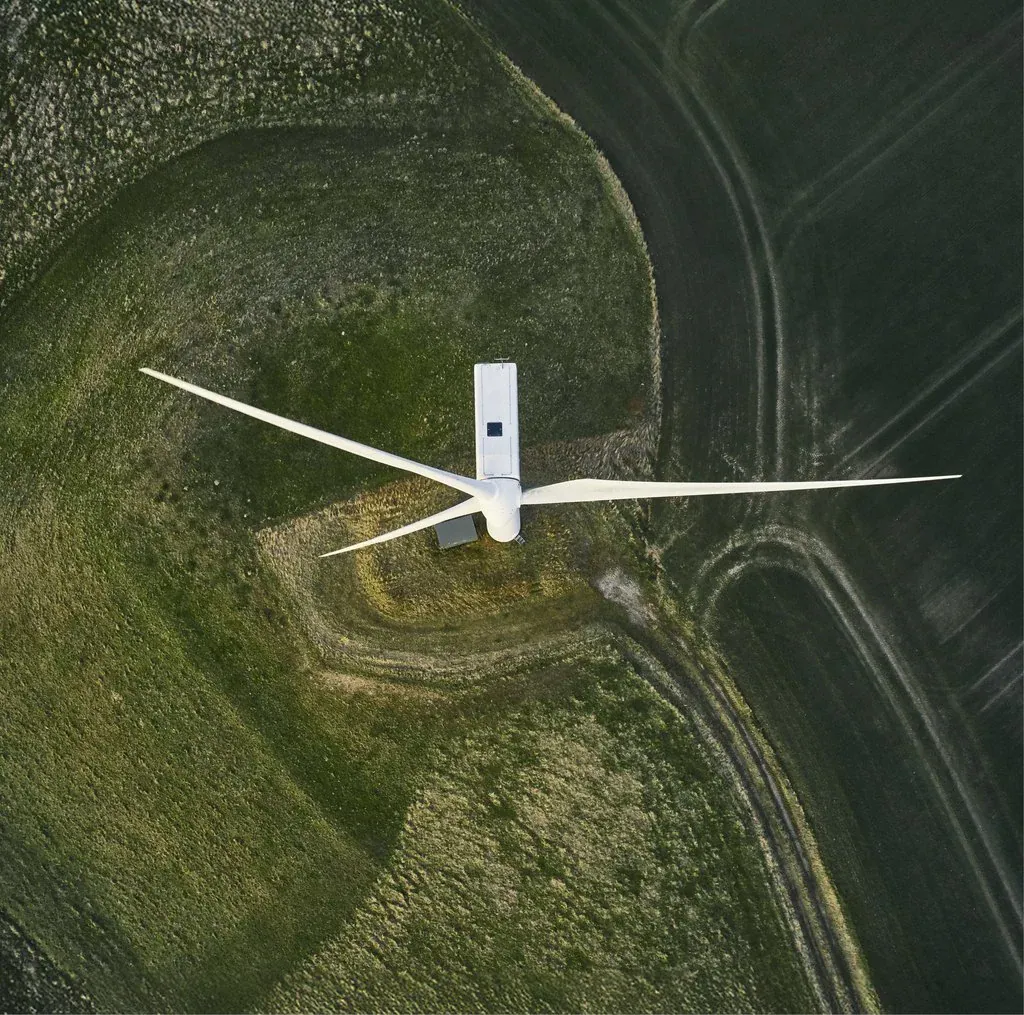
Onshore wind combines established technology with the potential for large-scale clean electricity generation. Investment opportunities span new projects and the repowering of existing sites, where modern turbines can increase output and extend productive asset lives. Site selection, grid access, effective permitting and robust revenue arrangements underpin long-term investment value.
Energy efficiency
Improving the energy efficiency of commercial, industrial and public infrastructure can reduce energy consumption, operating costs and emissions. Our expertise in infrastructure-as-a-service business models enables investment at scale, financing upgrades through arrangements supported by energy savings or service payments.

Electrification
Electrification can reduce fossil fuel use across transport, industry and buildings, with emissions benefits increasing as electricity supplies become cleaner. Our investment focus includes electric vehicle charging infrastructure and the electrification of heat.
Creating value through deep sector expertise
We take an active approach to risk management and value creation throughout the investment lifecycle. Combining investment expertise, technical capabilities and established partner networks, we seek to create long-term value for clients, partners and other stakeholders.
Mid-market access
Our expertise and partner networks help us source and structure differentiated investments in underserved markets characterised by complexity and financing gaps.
Active investment management
We combine in-house investment, technical and operational expertise with deep local partner networks to proactively manage risks and improve long-term asset performance.
Value through sustainability
Energy transition investments are designed to create long-term value by aligning financial returns with sustainability outcomes, with each reinforcing the other.
Energy Transition at Gresham House
Top 10
European Energy Transition Manager
15+ years
Specialist expertise in energy transition
Largest
Operator of Battery Energy Storage Systems in Europe1
Figures as at 30 June 2026. 1Aurora Energy Research 2025.
How revenue stacking works
Battery storage assets generate revenue by combining multiple income streams and adapting the mix as markets evolve. This is known as revenue stacking.
Building and actively managing this combination of revenue streams can materially influence investment outcomes.
Energy Transition Solutions
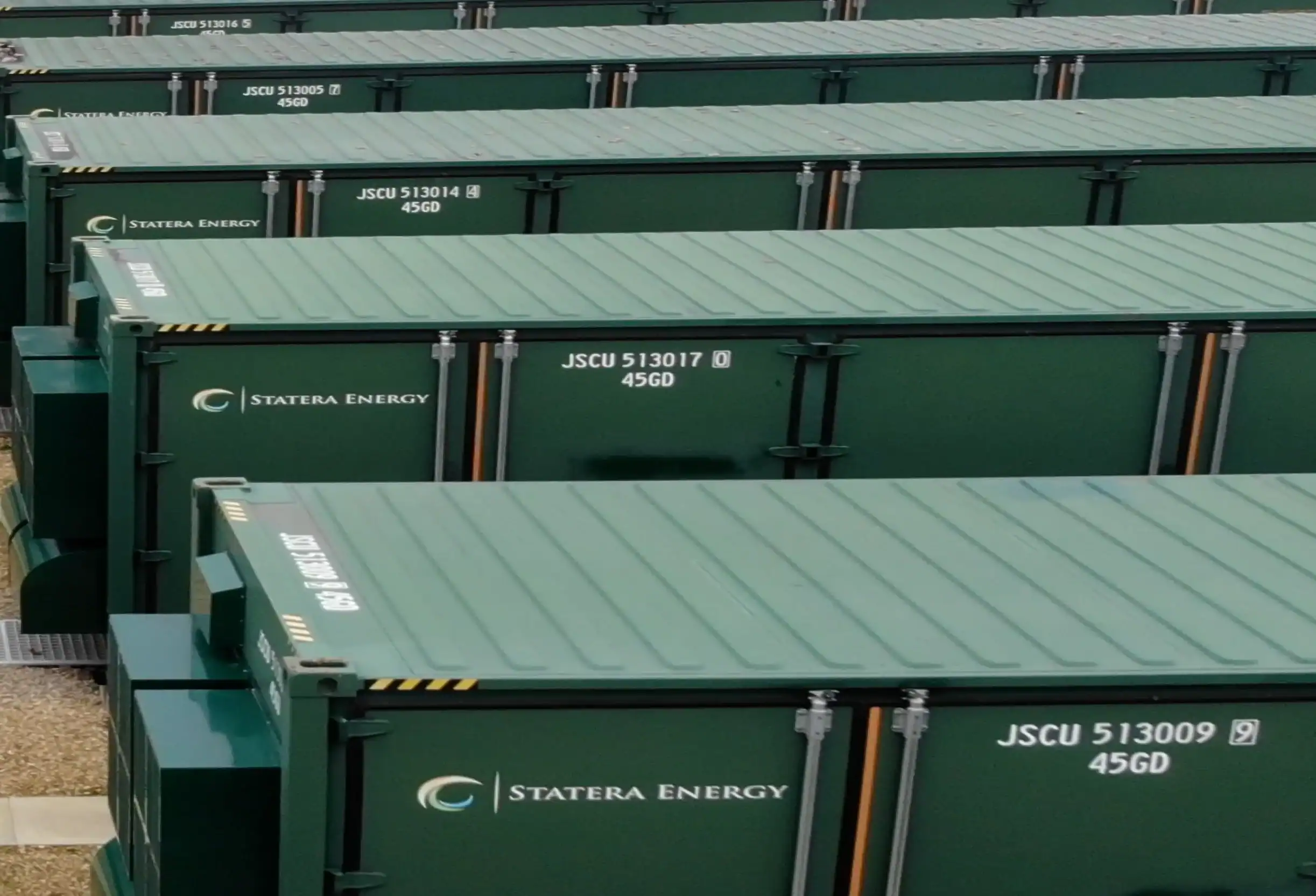
Battery Energy Storage (Europe)
Complementary return drivers to renewable generation
Opportunities across European markets, asset locations, storage durations and revenue structures to optimise revenues from providing power system flexibility.
Focusing on utility-scale assets that support renewable energy integration and grid resilience. Diversification across markets and revenue streams underpins portfolio construction.
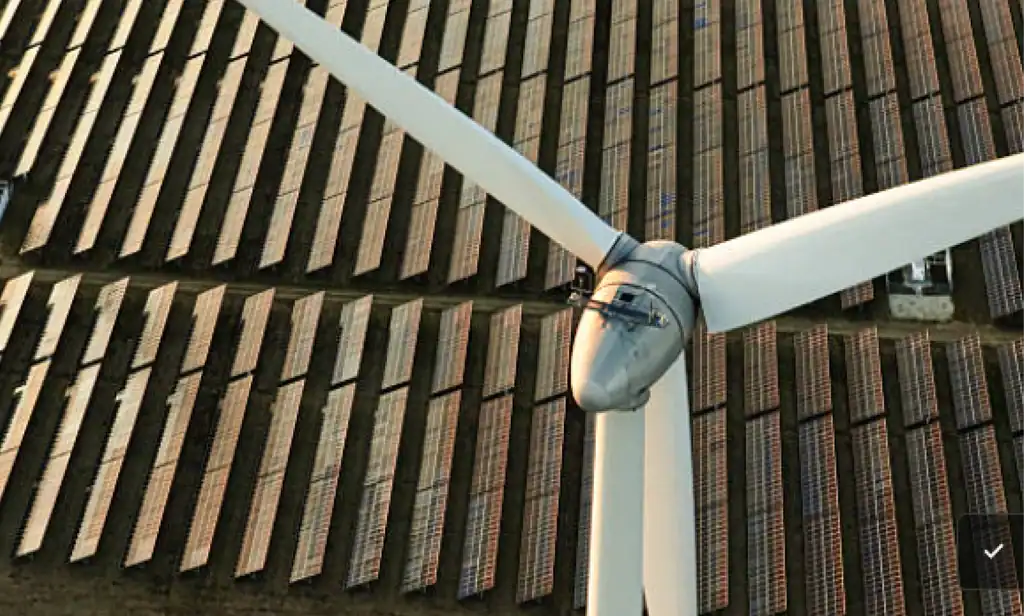
Energy Transition Credit (Europe)
Addressing gaps in the underserved mid-market
Infrastructure credit opportunities that support Europe’s energy transition, focused across energy efficiency, distributed energy, utility-scale renewables and battery storage.
Drawing on over a decade of credit investment experience, our asset-based strategies span senior-secured and higher-yielding opportunities, addressing different risk-return profiles.
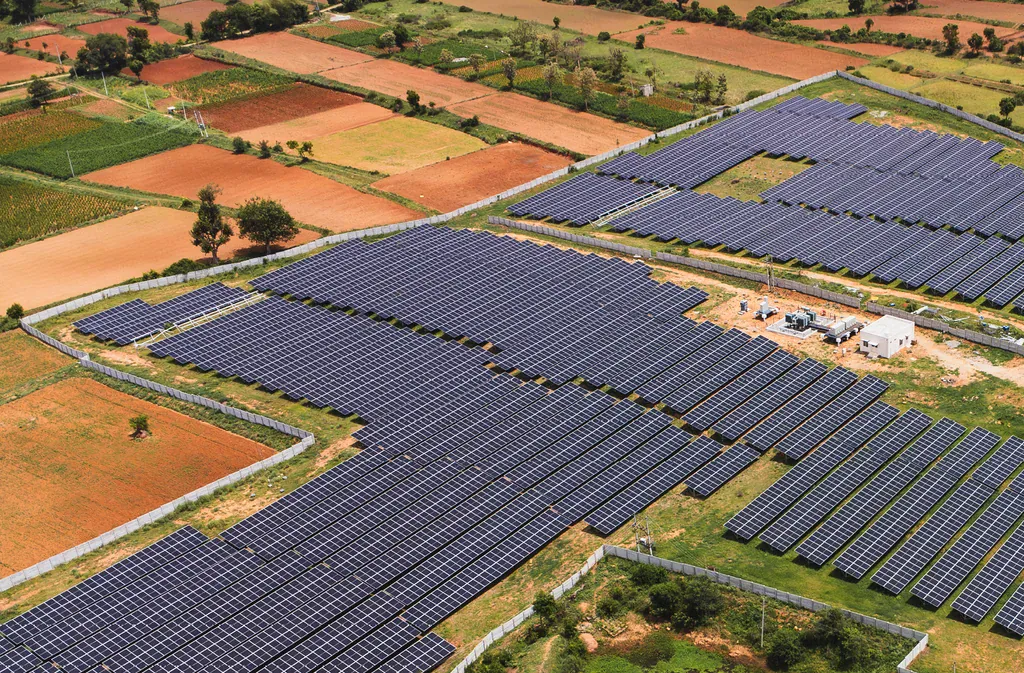
Asia Energy Transition
Targeting fast-growing opportunities in Southeast Asia
Opportunities where rapid digitalisation, urbanisation and decarbonisation are accelerating the shift to cleaner power in markets such as Malaysia, Indonesia, Vietnam, the Philippines and Thailand.
Investments across utility-scale and on-site renewable energy generation while capturing emerging energy storage and demand-side opportunities in electrification and energy services, such as clean transport, industrial decarbonisation and energy efficiency.
Get in touch
Our energy transition investments are available to professional investors only. Contact us to learn more about current opportunities.
Why invest in Energy Transition and why now?
We believe energy transition infrastructure investments offer a compelling mix of long-term financial opportunity and positive environmental and social outcomes.
1
Portfolio resilience
Asset-backed investments offer the potential for downside protection, long-term capital growth and returns with low correlation to the broader economy.
2
Structural tailwinds
Growing electricity demand, decarbonisation efforts and energy security concerns drive demand for decentralised, low-emission energy infrastructure.
3
Long-term value
Active management and robust commercial structures can support long-term cash flows and asset value, while contributing to the decarbonisation of energy systems.
Energy Transition FAQs
Common questions on energy transition and the investment case for renewable generation and battery energy storage.
What is driving the investment case in energy transition?
Rising electricity demand, decarbonisation and the need for energy security and resilient infrastructure are driving substantial investment requirements across generation, storage, energy efficiency and electrification. Private capital plays an important role in financing this transformation. Opportunities arise where established technologies, supportive market frameworks and robust business models translate these structural needs into commercially viable projects.
What investment opportunities does the energy transition create?
The opportunity extends well beyond renewable electricity generation. Battery energy storage systems (BESS) provide flexibility that supports renewable energy integration and grid stability. Electrification enables electricity to replace fossil fuels in transport, heating and industrial applications, while energy efficiency measures reduce the energy needed to deliver the same services.
The broader path to net zero also includes decarbonising hard-to-abate sectors and addressing residual emissions through carbon capture and storage and carbon removal technologies such as direct air capture. Technology maturity and commercial viability vary across these applications, many of which require further development or deployment at scale. These areas are currently outside our active investment focus.
How much capital is being invested in the energy transition?
According to BloombergNEF, global energy transition investment reached a record $2.3 trillion in 2025, an increase of approximately 8% on 2024. Investment grew at a compound annual rate of approximately 19% between 2020 and 2025. These figures cover a broad range of sectors, including renewable energy, storage, power grids and electrified transport, and illustrate the scale of capital being deployed across the transition.
What are the portfolio benefits of energy transition?
Energy transition investments can offer long-term income, capital growth and diversification through exposure to physical infrastructure. Some revenues may be contracted or linked to inflation, although these characteristics vary by asset and investment strategy.
What are the main investment risks?
Risks include changes in electricity prices, regulation and policy, alongside construction, operational and technology risks. Returns also depend on how revenues are generated and contracted, making asset selection and active management important.
Insights
Latest news and thinking on Energy Transition
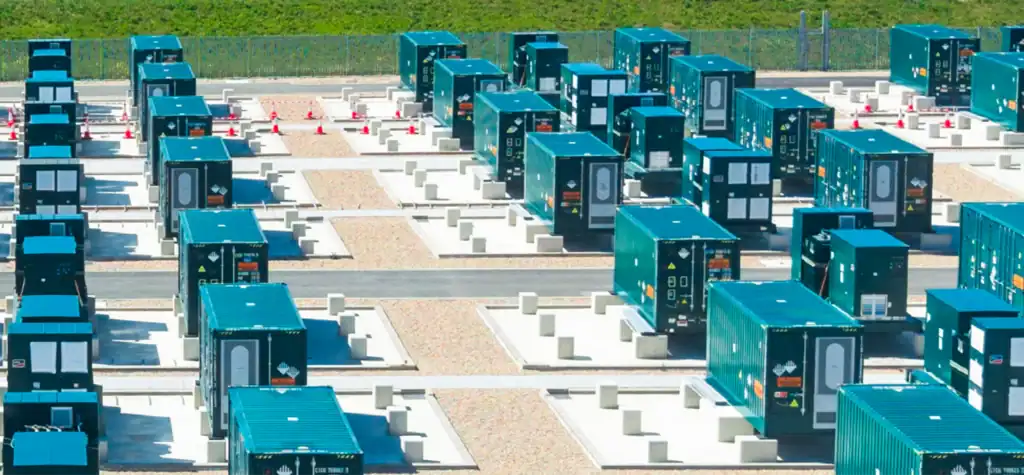
The case for a dedicated allocation to Battery Energy Storage Systems
BESS give institutional investors access to a return driver that differs fundamentally from renewable generation.

Gresham House completes SUSI Partners acquisition
Gresham House announces that it has completed its acquisition of SUSI Partners AG, the Swiss-headquartered energy transition infrastructure investment manager,…
Gresham House to acquire SUSI Partners
Gresham House to acquire SUSI Partners, creating a top-ten European energy transition platform.

Connect with our team
Whether you would like to explore our investment strategies, discuss your objectives or learn more about Gresham House, our team is here to help.