
Nature-based Solutions
Nature-positive return potential
Why Nature-based Solutions and why they matter
Investments in nature-based solutions support the protection, restoration and sustainable management of natural ecosystems, delivering public benefits and long-term environmental outcomes.
Healthy ecosystems provide essential services to communities, including pollination, flood regulation, clean air and water, recreation and climate regulation. However, climate change and pollution are placing global ecosystems under unprecedented pressure, eroding these services and increasing systemic risk.
Reversing global biodiversity loss, strengthening resilience and meeting climate and biodiversity targets could require tripling current spending by 2030. Estimates from the European Investment Bank suggest trillions of dollars may be needed globally.
Scaling restoration and investing with intent
We invest in high-integrity, measurable Nature-based Solutions designed to deliver nature-positive outcomes alongside risk-adjusted financial returns, with impact embedded, not bolted on. We deliver this through:
High-integrity markets
We focus on markets where ecological outcomes are credible, measurable and supported by strong governance frameworks. This includes markets underpinned by legislation, such as Biodiversity Net Gain (BNG) in England, as well as other well-established approaches where measurements, verification and long-term stewardship are demonstrably robust.
Integrated capabilities
We draw on expertise across forestry, agriculture, and ecosystem restoration within Gresham House’s natural capital platform.
While individual funds have distinct strategies, this breadth of experience helps us deliver biodiversity, carbon and wider ecosystem service outcomes across our strategies.

Rigorous integrity and verification
We use established monitoring, reporting and verification (MRV) frameworks, supported by recognised methodologies and independent oversight where applicable.
This approach ensures transparent and credible measurement of ecological outcomes over time, tailored to the characteristics of each strategy and asset class.
Local partnerships
We work closely with landowners, operators, delivery partners, regulators, public bodies and local communities to deliver high-quality projects.
Together, we apply best practice in restoration and promote long-term stewardship, taking account of local priorities, regulatory requirements and ecological needs.
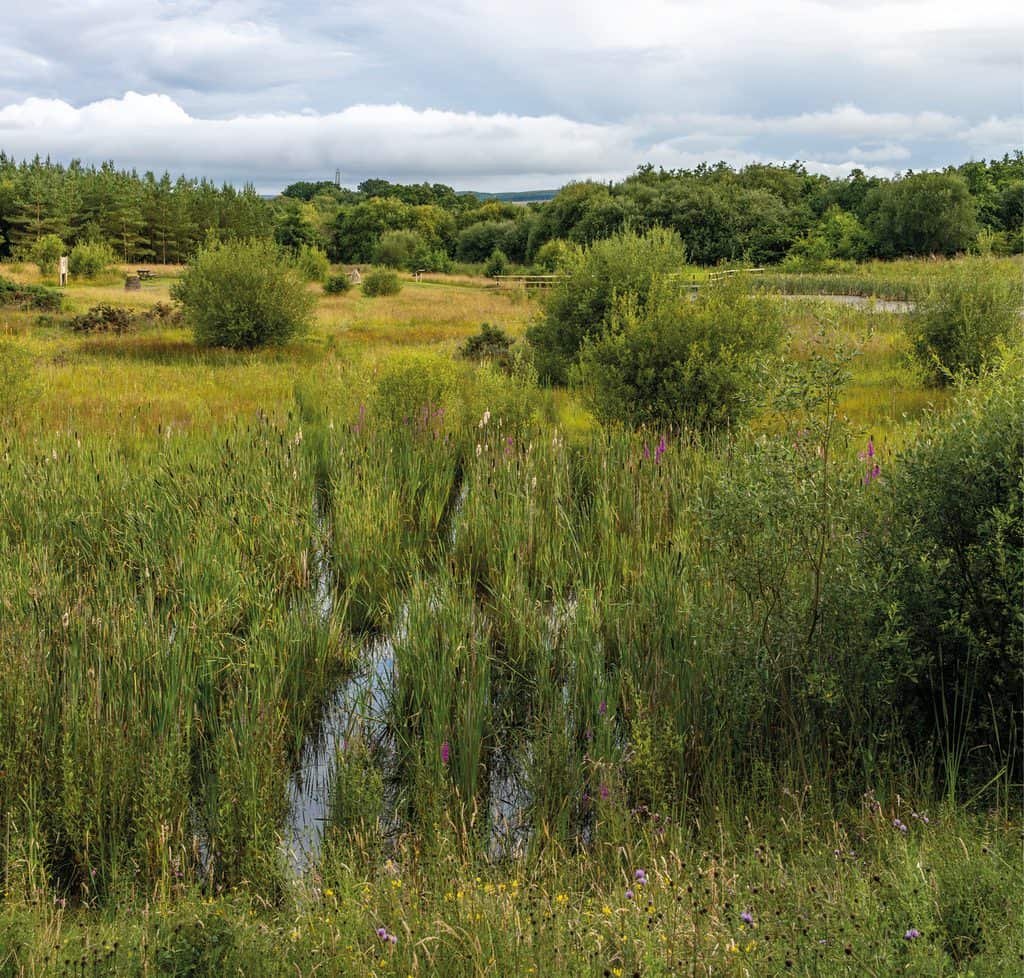
Environment Bank
Building the UK’s biodiversity infrastructure
Environment Bank illustrates how nature markets can be developed as an investable asset class. They are the UK’s leading BNG provider, with the highest number of sites on the Gain Site Register.
Backed by Gresham House since 2021, Environment Bank has established a growing network of habitat banks across England. These transform underproductive land into woodlands, wetlands and species-rich grasslands, generating BNG units and wider environmental benefits.
With Gresham House’s support, Environment Bank continues to scale its platform nationally, applying a structured, asset-backed approach to biodiversity restoration that combines long-term ecological stewardship with stable, infrastructure-like cashflows.
Nature Market FAQs
Common questions on nature markets and nature-based solutions, including the UK’s biodiversity compliance market.
What is the UK's biodiversity compliance market?
The Environment Act 2021 introduced Biodiversity Net Gain (BNG), making it mandatory for most developments in England since February 2024, extending to Nationally Significant Infrastructure Projects from May 2026. Developers must deliver at least a 10% net increase in biodiversity compared to a site’s pre-development state.
How does the BNG market work?
Developers are legally required to generate or buy BNG units to meet their planning conditions. If they can’t meet this through on-site enhancements, they must purchase off-site units instead. This is what creates the marketplace off-site units can be purchased once they’ve been registered on the Gain Site Register (GSR), having been created and verified by a Habitat Bank using the statutory biodiversity metric.
What are BNG units?
BNG units represent a measurable increase in biodiversity achieved by a Habitat Bank, validated using Defra’s biodiversity metric. Developers purchase these units to meet their planning conditions, instead of delivering the net gain on their own development site.
Who provides BNG units?
BNG units are created by Habitat Banks, land that’s been leased or purchased and transformed into habitats such as woodlands, wetlands and species-rich grasslands. These units are then registered and verified using the statutory biodiversity metric before being made available for sale on the Gain Site Register.
What are the benefits of investing in biodiversity strategies?
Biodiversity strategies offer direct exposure to nature-based infrastructure, through restoring natural ecosystems that deliver resilience and ecosystem services. They also offer increased portfolio diversification, through exposure to emerging markets and low-correlation assets.
Insights
Latest news and thinking on Nature-Based Solutions

Natural capital: a distinct source of portfolio diversification
Our hypothetical modelling suggests that a 10% allocation to natural capital can improve risk-adjusted returns.
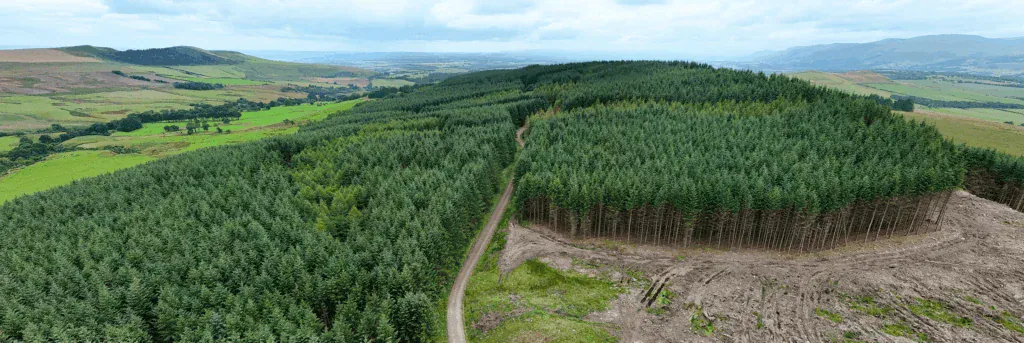
Gresham House announces €250mn first close of its Sustainable International Forestry Strategy Platform, anchored by Worcestershire Pension Fund and NGS Super
Gresham House announces €250mn first close of its Sustainable International Forestry Strategy Platform, anchored by Worcestershire Pension Fund and NGS…

Strong institutional demand for natural capital investments, new research reveals
A new report highlights the growing appetite for natural capital investments in institutional portfolios, with half of UK asset owners…

Connect with our team
Whether you would like to explore our investment strategies, discuss your objectives or learn more about Gresham House, our team is here to help.
Key risks
The value of your investment and the income from it is not guaranteed and may fall as well as rise. As your capital is at risk you may get back less than you originally invested. Past performance is not a reliable indicator of future performance.