

Natural Capital glossary
Afforestation
Afforestation is the direct human-induced conversion of land that has not been forested for a period of at least 50 years to forested land through planting, seeding and/or the human-induced promotion of natural seed sources.
Source: The Little REDD Book
Biodiversity
The variability among living organisms from all sources, including terrestrial, marine and other aquatic ecosystems and the ecological complexes of which they are part. This includes diversity within species, between species and of ecosystems.
Source: Convention on Biological Diversity (1992) Article 2
Biodiversity credit
Biodiversity credits are a verifiable, quantifiable and tradeable financial instrument that rewards positive nature and biodiversity outcomes (e.g. species, ecosystems and natural habitats) through the creation and sale of either land or ocean-based biodiversity units over a fixed period.
Source: World Economic Forum
Biodiversity financing gap
The difference between how much is currently spent and how much is needed annually in the next ten years to protect the most important biodiversity and the services it provides.
Source: Paulson Institute
Biodiversity metric
A biodiversity accounting tool created by Natural England that can be used for the purposes of calculating biodiversity net gain.
Source: Natural England
Biodiversity net gain
An approach to development, land and marine management that leaves biodiversity in a measurably better state than before a development took place.
Source: Natural England
Carbon credit
A financial instrument that represents a reduction or the avoidance of one tonne of carbon dioxide equivalent (tCO2e) from the atmosphere.
Source: Gold Standard
Carbon pricing
The cost of emitting CO2 into the atmosphere, either in the form of a fee per tonne of CO2 emitted, or an incentive offered for emitting less. Putting an economic cost on emissions is widely considered the most efficient way to encourage polluters to reduce what they emit into the atmosphere.
Source: The London School of Economics
Conversion
The change of a natural ecosystem to another land use, or a significant alteration to its species composition, structure or function. Deforestation is one form of conversion.
Source: Accountability Framework Initiative
Deforestation
Loss of natural forest as a result of: i) conversion to agriculture or other non-forest land use; ii) conversion to a tree plantation; or iii) severe and sustained degradation.
Source: Accountability Framework Initiative
Ecosystem services
The contributions of ecosystems to the benefits that are used in economic and other human activities. The benefits are widely categorised into four categories: 1) Provisioning services; 2) Regulating services; 3) Cultural services; 4) Supporting services.
Source: Accountability Framework Initiative
Emissions trading scheme (ETS)
An emissions trading scheme (also known as “cap and trade”) is a cost-effective way of reducing greenhouse gas emissions, in which a cap is set on total allowable emissions and firms trade permits to pollute among themselves to meet that cap at the lowest overall cost.
Source: Grantham Research Institute, The London School of Economics
Forest
Land spanning more than 0.5 hectares with trees higher than 5 meters and a canopy cover of more than 10 percent, or trees able to reach these thresholds in situ.
Source: Accountability Framework Initiative
Habitat bank
Sites where habitat is created in advance, to offset or compensate for the negative environmental impacts of development or other human activities. This habitat will need to be secured and managed long-term.
Source: Natural England
Kunming-Montreal Global Biodiversity Framework
The Kunming-Montreal Global Biodiversity Framework (GBF) was adopted during the fifteenth meeting of the Conference of the Parties (COP 15). Sets out a pathway to reach a world living in harmony with nature by 2050, with four goals for 2050 and 23 targets for 2030.
Source: Convention on Biological Diversity
Land use change
The change from one land use category to another; the modification or management of natural environments into human dominated environments.
Source: TNFD, 2023
Natural capital
Natural capital is the stock of renewable and non-renewable natural resources that combine to provide a flow of ecosystem services that benefit people and planet.
Source: Capitals Coalition
Natural capital approach
A natural capital approach to policy and decision making considers the value of the natural environment for people and the economy.
Source: GOV.UK, 2020
Natural forest
A forest that is a natural ecosystem, possessing many or most of the characteristics of a forest native to the given site, including species composition, structure and ecological function.
Source: Accountability Framework Initiative
Nature-based solutions
Actions to protect, sustainably manage and restore natural or modified ecosystems that address societal challenges effectively and adaptively, simultaneously providing human well-being and biodiversity benefits.
Source: IUCN
Nature-positive
A high-level goal and concept describing a future state of nature which is greater than the current state.
Source: TNFD, 2023
Net deforestation
The difference in forest area between two points in time, taking into account both losses from deforestation and gains from forest regeneration and restoration.
Source: Accountability Framework Initiative
Payments for ecosystem services
A variety of arrangements through which beneficiaries of environmental services reward those whose lands provide these services with subsidies or market payments.
Source: WWF
Primary forest
A forest that has never been logged and has developed following natural disturbances and under natural processes, regardless of its age.
Source: Convention on Biological Diversity
Sustainable agriculture
Farming in sustainable ways meeting society’s present food and textile needs, without compromising the ability for current or future generations to meet their needs.
Source: Sustainable Agriculture Research & Education Program
Explore
Natural Capital Solutions

Natural Capital
Investments in sustainable forests, land and natural systems that generate long-term financial and environmental value.
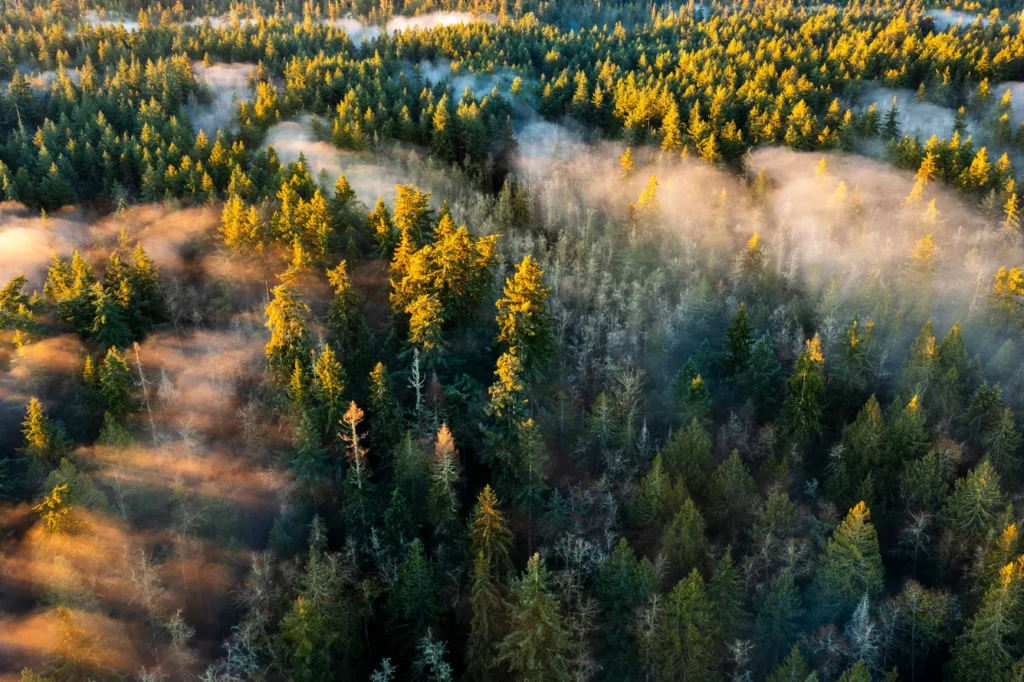
Forestry
Global forestry expertise delivering long-term value through sustainable timber production and responsible stewardship.
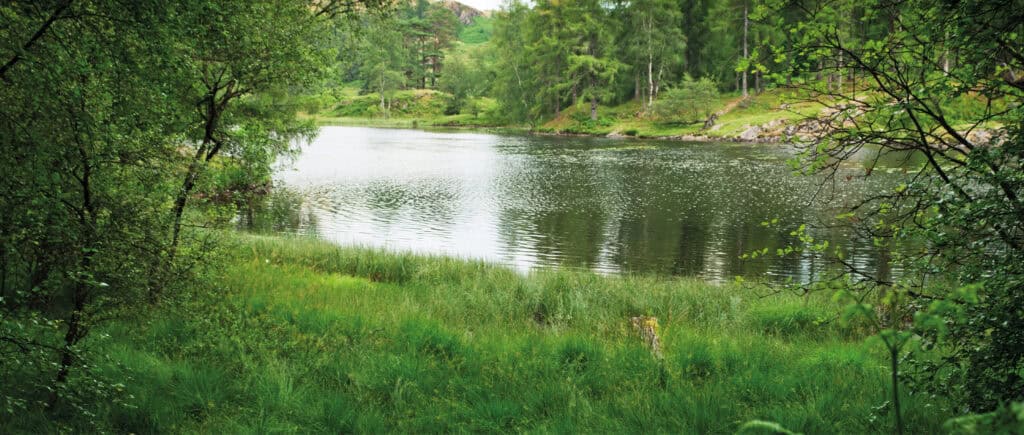
Nature-based Solutions
Investments in the protection and restoration of ecosystems to deliver long-term value for investors, nature and society.