 Gresham House Specialist asset management
Tasmania Natural Asset Trust
Tasmania Natural Asset Trust
Introduction
Gresham House Asset Management (GHAM), Aviva Investors and Australia’s Clean Energy Finance Corporation (CEFC) have established the Tasmania Natural Asset Trust (TNAT) to invest institutional capital in sustainable forestry plantations and environmental restoration in Tasmania, creating local jobs and injecting significant capital into the regional economy.
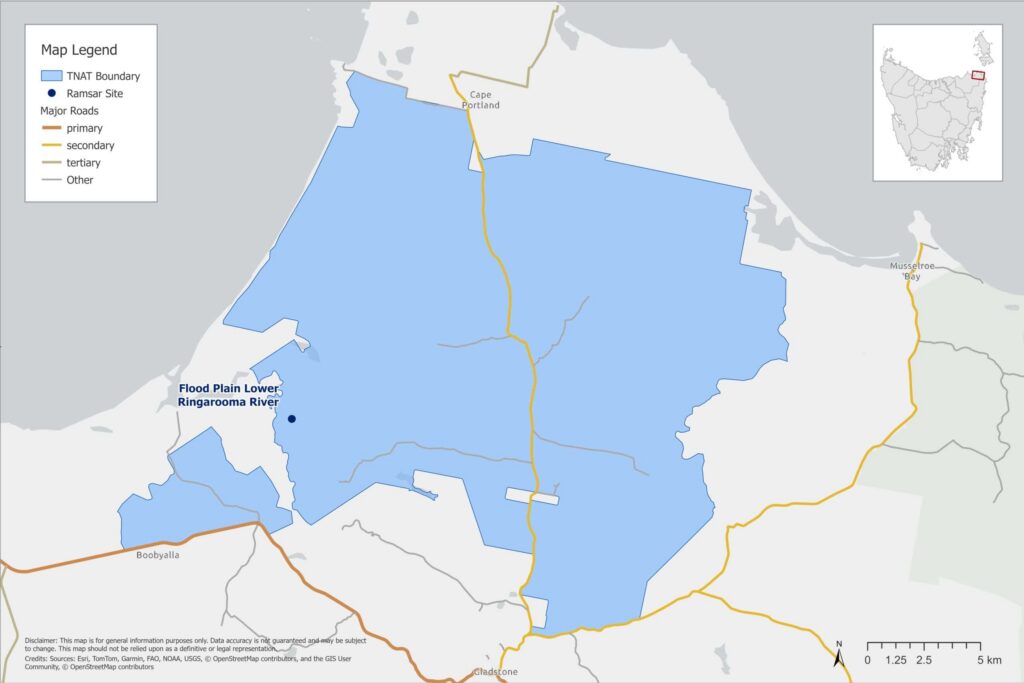
TNAT has purchased Rushy Lagoon and East Wayambi (“Rushy Lagoon”) in the Dorset Council area, northeast Tasmania. Our commitment is to manage the land responsibly, support local jobs and contractors, protect sensitive wetlands, and inform and listen to the community as plans progress, supporting local economic activity while also delivering environmental and social outcomes.
Key Documents
Who we are
Who’s involved
TNAT is managed by Gresham House Asset Management (GHAM) with investments from:
- CEFC – Australia’s specialist climate investor, with access to $33 billion from the Australian Government to invest in the clean energy transition
- Aviva Investors – A global asset manager with a long track record in sustainable investing
- Gresham House – A specialist alternative asset manager focused on sustainable land-use management across natural capital, including forestry, agriculture, and other ecosystem services
Our plan for Rushy Lagoon
- This is a long-term investment in responsible land management, focused on sustainable forestry and habitat restoration, that will provide significant local employment and contractor opportunities.
- The project’s overall land use strategy (developed through due diligence) will combine softwood plantations on low productive land with large-scale conservation and ecological restoration and sustainable grazing.
- The project will also include protective buffers and environmental restoration to help maintain the ecological character of the Ramsar wetland located within Rushy Lagoon estate
- Where forestry is established, timber will be grown under internationally recognised certification standards, via organisations that assess sustainable forest management through independent, trusted third-parties (Forestry Stewardship Council (FSC) or Programme for the Endorsement of Forest Certification (PEFC), or both).
Our priority is to do this properly and transparently, starting with whole-of-property planning and community engagement before major on-ground change.
Jobs, contractors, and the local economy
Keeping work local
We’ve heard concerns about jobs and contractors. The intention is for this project to support local employment, skills and contractor opportunities, including during establishment, ongoing operations, and harvest.
More than 190 new jobs will be created over the life of the project.
The project is expected to create on-going work for forestry and roading contractors, sawmill operators, nurseries and other related occupations.
Gladstone and the Dorset region will benefit more broadly from the economic activity arising from this investment. The investors are keen to explore opportunities with the community for other viable initiatives such as eco tourism, birdwatching, mountain biking and freedom camping
We are also comfortable with the development of the proposed wind farm on part of the property, and the broader economic benefits this project is expected to deliver.
What about existing farm roles?
Initially, it is envisaged that some of the remaining farm workers will transfer to forestry roles, particularly given that commercial forestry is already part of the regional landscape and a meaningful contributor to economic activity in Tasmania. The investment is expected to provide employment opportunities throughout the long dated life of the forestry, sustainable grazing and conservation activities.
Environment, wetlands and biodiversity
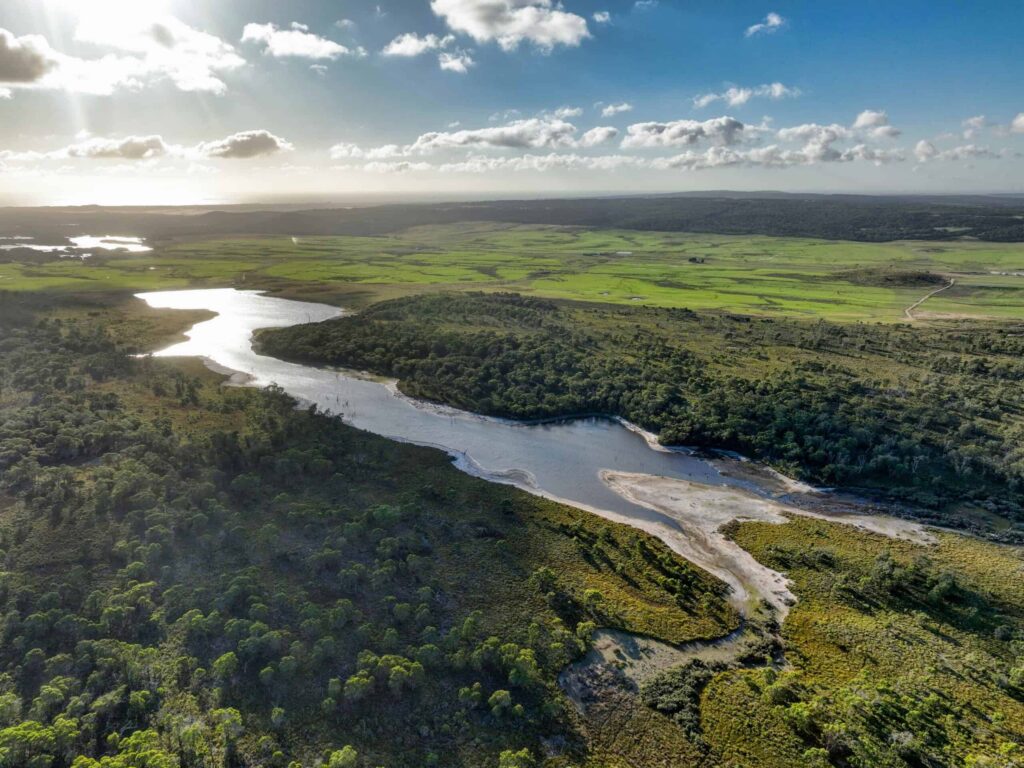
Protecting the Ramsar wetland
Rushy Lagoon includes ecologically significant wetlands and threatened species, with part of the property intersecting the internationally recognised Floodplain Lower Ringarooma River Ramsar Site.
Alongside restoration of the wetlands and conservation areas, the project design will include implementing protective buffers and hydrology safeguards to help maintain the ecological character of the Ramsar site.
Responsible forestry standards
Where plantations are established, the forests will be grown under FSC or PEFC certification and are expected to be processed by Tasmanian sawmills.
The goal is to support sustainable timber production and help relieve pressure on other sources of supply, as well as assisting with the significant forecast domestic sawn timber deficit.
Restoration and “real-world” outcomes
The project is intended to be a model for sustainable land management in Tasmania that combines climate-positive forestry with restoration of high-value habitats. The aim is to deliver durable natural capital outcomes while supporting regional jobs and skills, and to prioritise safeguards, certification and transparent monitoring, including the protection and enhancement of the Lower Ringarooma Ramsar site.
Alongside plantation forestry, the project includes large-scale conservation and ecological restoration including management of invasive weeds and the protection of threatened native vegetation and animal communities.
Responsible forestry standards
Where plantations are established, the timber will be grown under FSC or PEFC certification and be processed by Tasmanian sawmills to help offset a critical shortage of construction timber in the Australian housing market.
The goal is to support sustainable timber production and help relieve pressure on other sources of supply, as well as assisting with the significant forecast domestic sawn timber deficit.
Community engagement
We want to engage constructively with the local community and hear your thoughts and ideas.
Local knowledge matters. If you have practical ideas we can build into plans, whether it’s access, local priorities, environmental concerns, or community projects, please share them with us.
We plan to hold regular community drop-in sessions to provide updates on the project, share future plans, and hear directly from local stakeholders.
FAQs
Aviva Investors, the Clean Energy Finance Corporation (CEFC) and Gresham House are launching the Tasmania Natural Asset Trust (TNAT), a new plantation forestry and natural capital platform in Tasmania. TNAT is acquiring a c.21,745‑hectare landscape in north‑eastern Tasmania (Rushy Lagoon and East Wyambi) to deliver a blended land‑use model combining sustainable softwood plantation forestry with sustainable grazing, native restoration and conservation.
Yes, TNAT has acquired Rushy Lagoon. Transfer of ownership will occur in August 2026.
TNAT is a joint-venture between Aviva Investors (a global asset manager), Australia’s government‑owned CEFC, and Gresham House as manager. The project brings together domestic and international institutional capital to support regional jobs, sustainable timber production and environmental outcomes.
No. The property has been 100% foreign-owned since 1998. Following completion of this acquisition, it will become almost 50% Australian-owned.
Yes. The property was widely marketed to the agricultural sector on several occasions from 2018 onwards. However, the vendor was unable to secure a sale at independently assessed market value. Following these unsuccessful sales processes, Gresham House entered into a purchase agreement with the vendor.
No. The CEFC has invested on the same commercial terms as the private sector investors. Its investment has helped attract capital to Australia and support investment in Tasmania, benefiting the local economy. The CEFC’s investment is expected to generate a market-rate return for Australian taxpayers.
No. The purchase price was consistent with an independent agricultural valuation and below the original vendor price expectations.
No. The project’s primary activities are sustainable softwood plantations for the supply of construction timber into the domestic market, alongside native environmental plantings for conservation and grazing. The investment targets both timber production and high‑integrity, nature‑based carbon outcomes, with robust external audit and certification along with transparent monitoring.
Yes. Our aim is to optimise the land across multiple land uses. Sustainable grazing will continue on the property, and opportunities to expand other agricultural activities are also being explored. In addition to forestry, the management team has strong agricultural backgrounds and practical experience in the sector, and all investors have existing investments in agriculture.
The focus areas for planting will be on marginal grazing land, generally mapped as Land Capability Classes 5–6, which the State Government does not classify as prime agricultural land. Achieving the highest and best use across this landscape includes sustainable timber production on suitable areas, alongside grazing and the restoration of other ecologically sensitive areas.
We recognise the importance of Australia’s agricultural sector and the critical role it plays in producing food, supporting regional communities and driving the economy. We do not believe productive, high-value agricultural land should be converted to plantation forestry.
Rushy Lagoon is different. The areas proposed for plantation forestry have been classified by the Tasmanian Government’s land capability rating system as marginal agricultural land. They comprise lower-quality land with relatively poor soils. The property’s location, a considerable distance from dairy processing facilities and major markets, has also historically presented longstanding commercial challenges for intensive dairy operations.
Agriculture will remain an important part of the property. Sustainable grazing will continue on land best suited to farming, and additional agricultural opportunities are also being explored.
This is not a choice between food and timber—Australia needs both. As the country works to address housing shortages, demand for construction timber continues to grow, while Australia’s softwood plantation estate has been declining for many years. Expanding Australia’s sustainable plantation estate on appropriate land is important to improve domestic timber security, reduce reliance on imports and support the construction of new homes.
The vendor decommissioned the dairy platforms. TNAT will transition those areas, based on the highest and best land use, to combinations of Radiata pine plantations and environmental plantings that reduce nutrient‑run off contamination risks to nearby ecologically significant wetlands and conservation areas. Cattle grazing will continue on certain sections of this area, and TNAT is also exploring opportunities for other agricultural activities where they are compatible with the property’s long-term environmental and commercial objectives.
The indicative planting design consists of Radiata pine plantations and environmental plantings that will be staged over four to five years to match logistics, seedling supply and safeguards. Areas of high conservation value, wetlands and sensitive vegetation will be protected and buffered, not planted.
No. The programme prioritises converted grazing land. Restoration works will increase native vegetation cover through environmental plantings and conservation covenants where suitable.
Yes. The forests will be managed under PEFC or FSC certification and in accordance with the investors’ sustainability requirements, which are among the highest internationally.
Logs are expected to be processed by Tasmanian sawmills and supplied into the domestic market, helping address Australia’s softwood shortfall and reducing reliance on native forests. Forest products will be certified under recognised schemes (e.g., FSC/PEFC) and aligned to Gresham House’s existing Forest Charter.
The design includes protective buffers, hydrology safeguards and nutrient‑runoff controls near sensitive wetlands. TNAT will also remediate historic environmental risks on the property, including the cleanup of effluent lagoons and waste dumps within the Ramsar boundary. A property‑wide Environmental & Social Management Strategy (ESMS) will govern safeguards, monitoring and adaptive management.
TNAT will implement certified Forest Practices Plans (per the Forest Practices Code), whole-of-property weed, pest and biosecurity management. A comprehensive fire management plan will also be developed, using requirements specified in the Forest Practices Code, the Fire Service Act 1979 and under guidance from strategic documents like the Tasmanian Vegetation Fire Management Policy 2017. Planting layout and location will be designed to protect waterways; plantation and restoration programs will follow best-practice establishment and maintenance standards.
As with all certified plantation and restoration projects, targeted herbicides and fertilisers may be used during establishment under strict standards, buffer setbacks and environmental management plans. TNAT will have clear protocols and engage with neighbours on timing and methods to avoid off‑site impacts.
Overall, this investment will be creating jobs, with more than 190 new jobs expected over the life of the project. The land‑use mix changes the type and timing of jobs. Forestry creates multi‑year roles during establishment, tending, thinning and harvest, plus steady work for local contractors (e.g., silviculture, fencing, pest control, building trades, transport, nurseries, surveying). We will consult with local workers and businesses to manage transitions and support procurement locally wherever practicable.
We expect the project to deliver significant benefits to the local community. It is expected to create local employment opportunities with an estimated 190 new jobs created over the lifetime of the project and over $30 million to be invested in the property over the next five years. We are also exploring opportunities for ecotourism, camping facilities, birdwatching, mountain bike trails, and engagement with local schools, alongside ongoing investment in sustainable agriculture and forestry.
Establishment and harvest phases bring periods of increased activity. TNAT will sequence operations, use designated haulage routes, and work with local authorities (and schools) on road safety and maintenance. Visual buffers will be incorporated around sensitive receptors and public viewpoints where feasible.
The project will employ a local Tasmanian management team to oversee the day-to-day operation of the property. Gresham House’s senior manager responsible for the project will be Jonathan (“Jono”) Craven, who will provide strategic oversight and work closely with the local management team to ensure the property is managed effectively and in line with the project’s objectives.
Public engagement was paused during the Foreign Investment Review Board (FIRB) process due to vendor confidentiality obligations and commercial sensitivities. Now that the FIRB process has concluded, Gresham House’s Tasmanian-based management team is committed to engaging openly with stakeholders and the local community.
Yes. We plan to hold regular community drop-in sessions to provide updates on the project, share future plans, and hear directly from local stakeholders.
The planned wind farm, the North East Wind Project, is being developed by ACEN Australia, which is a separate and independent organisation from TNAT. Please direct any questions regarding the wind farm to ACEN: https://acenrenewables.com.au/project/north-east-wind/
Events & Updates
Community Drop-in Session, Gladstone
Location: Gladstone Hall, 1 Carr Street, Gladstone
Date: Saturday, 25 July 2026
Time: 10:00 am to 3:00 pm
Community Drop-in Session, Scottsdale
Location: Nugget Sellers Pavilion, Scottsdale Recreation Ground, 49B George Street, Scottsdale
Date: Sunday, 26 July 2026
Time: 10:00 am to 3:00 pm
Contact the Rushy Lagoon team